SilvaTech4TREES

Project Title: Nature-based management approaches and modern technologies to support biodiversity (SilvaTech4Trees)

Duration: 2 October 2025 – 31 December 2028

Budget: Total eligible costs €523,158; Grant €497,001; Co-financing €26,157

The project is supported under the Swiss-Slovak Cooperation Programme, which focuses on reducing economic and social disparities within the European Union. The project is also supported by the state budget of the Slovak Republic.

Main objective: Supporting biodiversity in the target area + monitoring + environmental education

Project partners: National Forest Centre / LignoSilva Centre of Excellence, Spišská Belá Municipal Forests (Lesy mesta Spišská Belá s. r. o.), Pro Silva Slovakia (civic association), Bern University of Applied Sciences

About the project:

Project activities focus on improving habitat conditions through nature-based forest management in protected areas. Field surveys utilizing modern technologies (e.g., laser scanning) will be conducted within the project area to monitor tree microhabitats and forest structure, enabling informed management decisions.

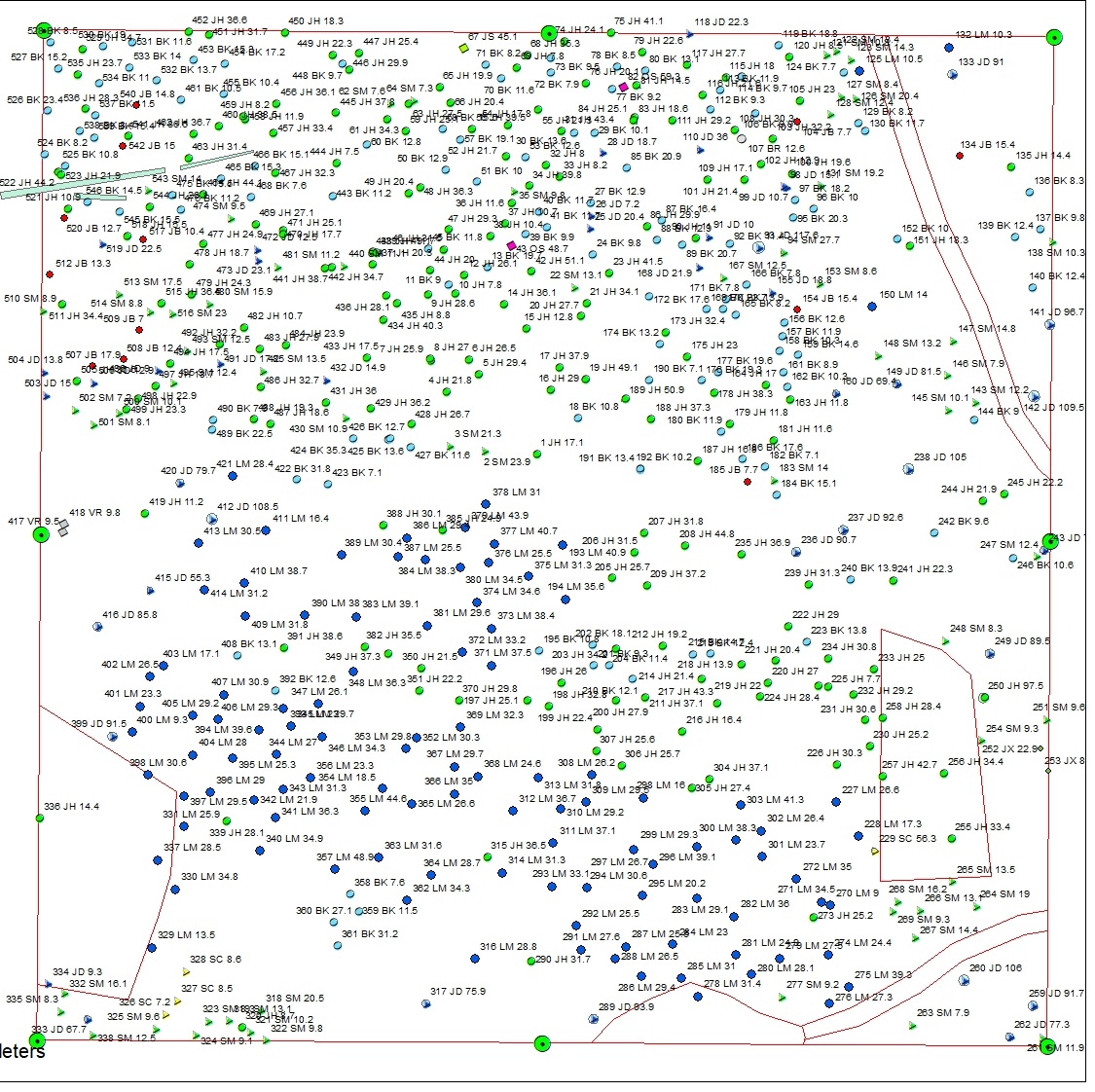
Marteloscope plots will be established in the target area as “living forest laboratories” to test biodiversity-friendly measures over the long term.

Why are we doing this?

  • increasing ecosystem resilience to climate change and supporting native tree species
  • more precise monitoring and management decision-making (laser scanning, RFID, ARBOTON)
  • knowledge transfer and environmental education for both professionals and the general public
1 Marteloscopes and inventory

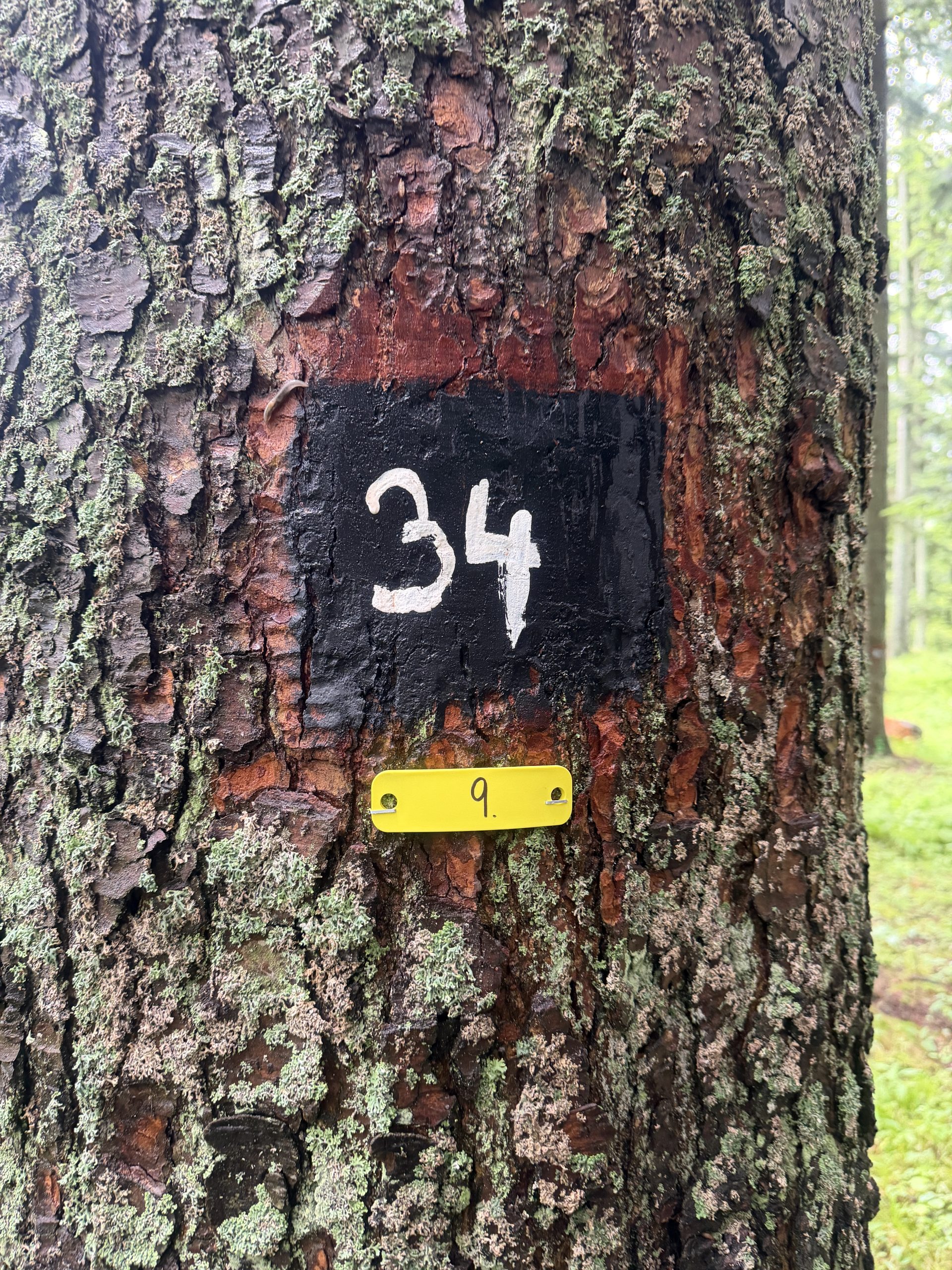
  • Establishment and inventory of at least 2 marteloscope plots (including the use of a mobile laser scanner).
  • Marking of target trees (30 + 30 trees) with RFID chips and health monitoring using ARBOTON.
  • Marking and monitoring of habitat trees (80 trees) with RFID chips.

2 Biodiversity and forest regeneration measures

  • Underplanting and enriching species composition with rare/native species; protection of young trees against game damage.
  • Production of planting stock (7,000 beech, 1,000 elm) utilizing secondary materials (from paper production).

3 Technologies, mapping, and monitoring

  •  Field surveys and monitoring of microhabitats and forest structure (laser scanning + other innovations).
  • Preparation of a Slovak-language version of the marteloscope application.
  • Growth simulations and virtual reality.

4 Education, knowledge transfer, and outreach

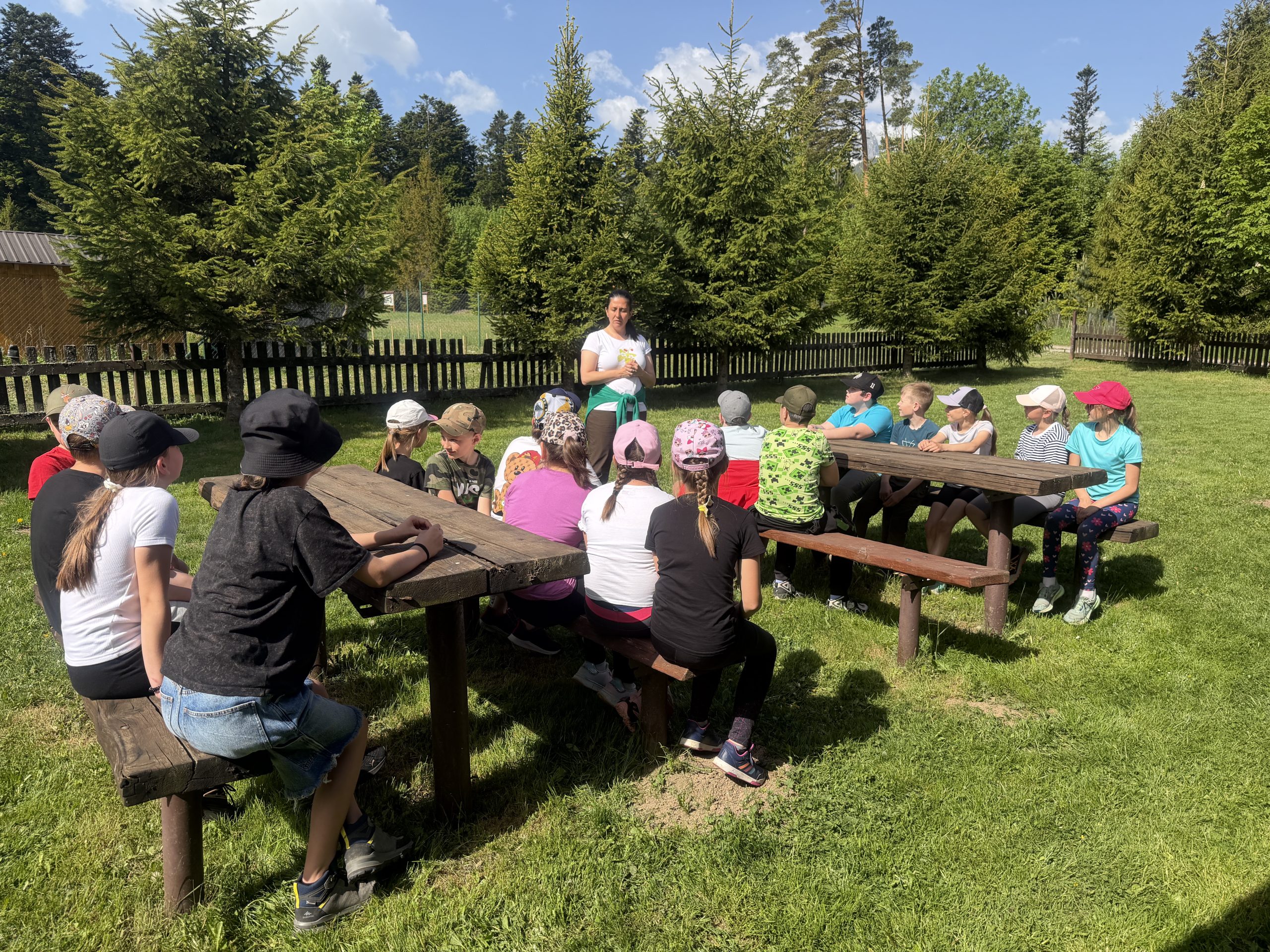
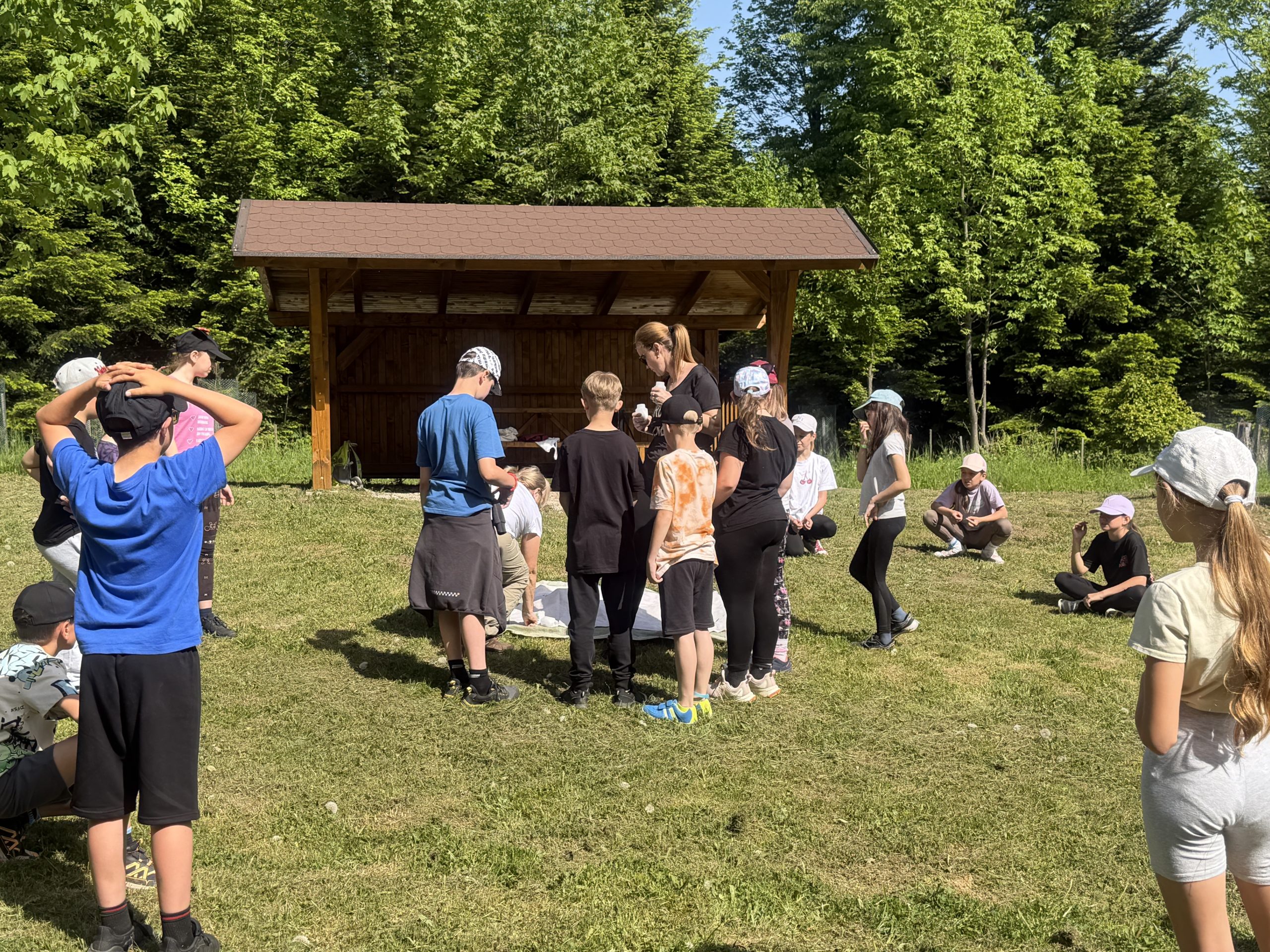
  • Technical seminars, videos, brochures, information panels, and forest pedagogy activities to disseminate results.
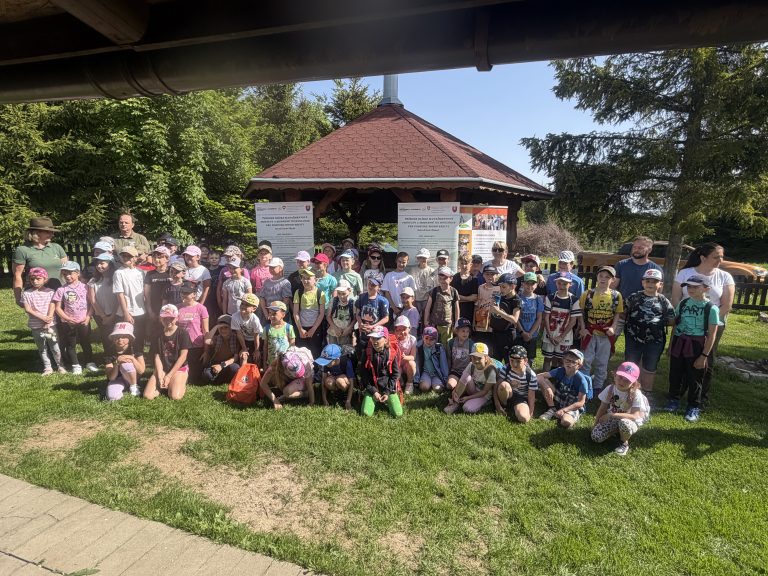
  • Environmental events in the target area (e.g., “Into the Forest with a Forester,” “Plant Your Own Tree,” “Clean Forest”) – implemented repeatedly throughout the project.

Brief updates on project activities (measurements, planting, new materials, event invitations).

Results achieved to date:

  • over 100 bags of various types of waste collected,
  • 2,335 saplings planted,
  • more than 230 volunteers involved,
  • 2 marteloscope plots established, with detailed measurements taken of over 800 trees,
  • 140 trees tagged with RFID chips (80 target trees and 60 habitat trees),
  • health status of 30 selected target trees assessed using ARBOTOM.

Marteloscope plots are established

We have advanced to the practical phase of the project: establishing—and physically demarcating—two marteloscope plots within forest stands that differ in terms of tree species composition and age. In doing so, we are creating “living laboratories” where we will monitor stand structure over the long term and prepare the groundwork for close-to-nature forest management.

Comprehensive measurements using Field-Map technology

We performed detailed measurements on both plots using fieldmap technology – we recorded the thicknesses, heights and spatial positions of all trees. In total, we measured and marked more than 800 trees on both marteloscopes, creating a robust database for further analysis and decision making.

Laser scanning and preparation of virtual twins

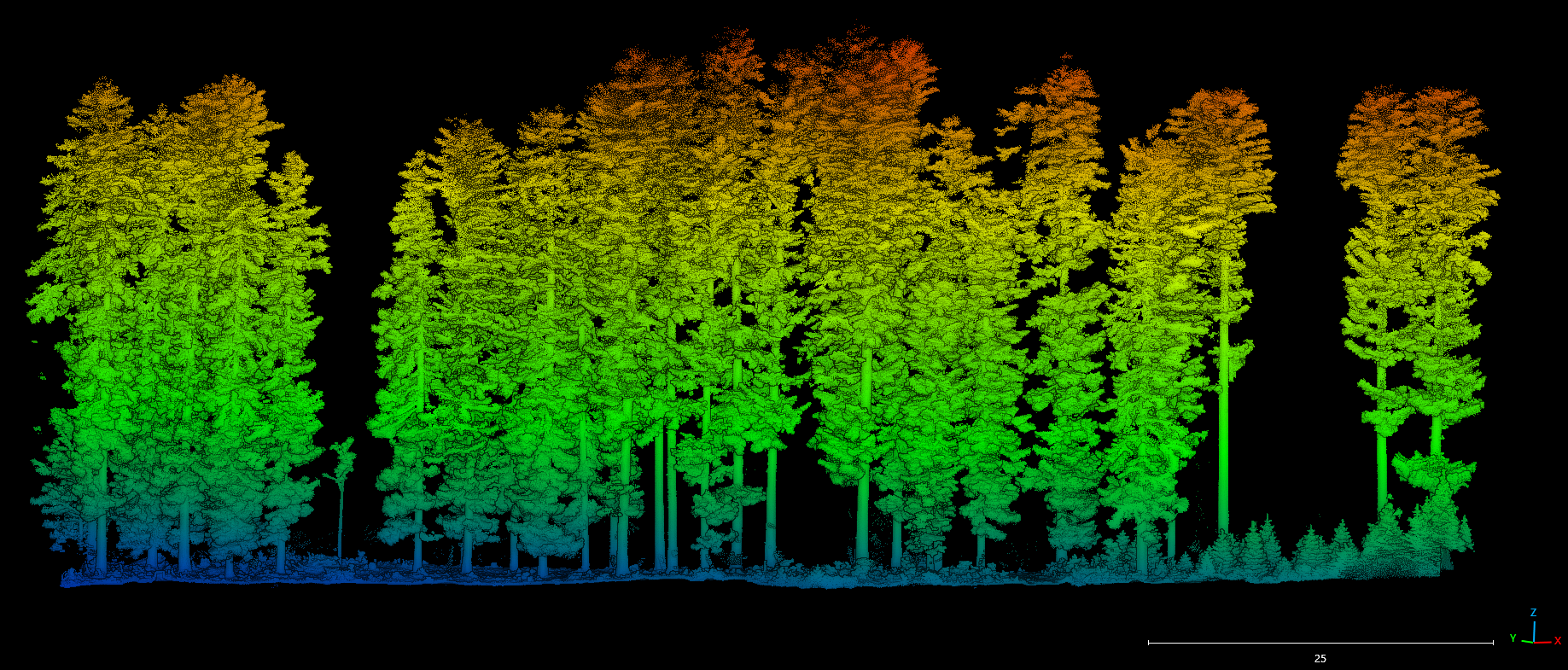
We subsequently surveyed both plots using laser scanning. We will use this data to create virtual twins of the marteloscope plots, enabling us to realistically work with the spatial structure of the stands and test various scenarios for their future development.

Assessing health status using Arbotom

Selected target trees within the marteloscope plots were measured using the ARBOTOM acoustic tomograph. This will enable precise and repeatable monitoring of their health status.

RFID tagging of target trees

We marked selected target trees on the marteloscope plots using RFID chips. This marking facilitates tree identification during repeated measurements and enables the linking of field data with the databases and applications used in the project.

We will regularly publish project outputs here – publications, leaflets, brochures, banners/panels, presentations, videos, and photographs.

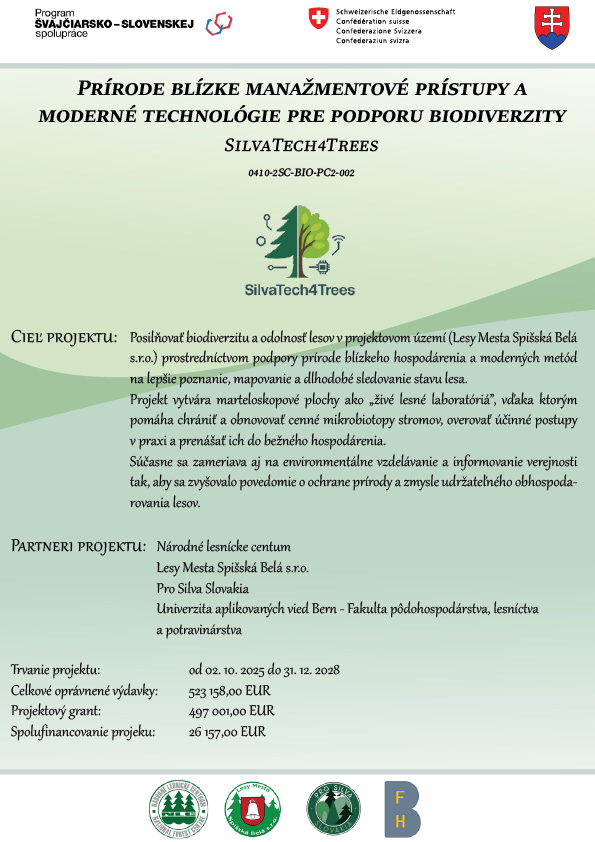
Flyer – Slovak:

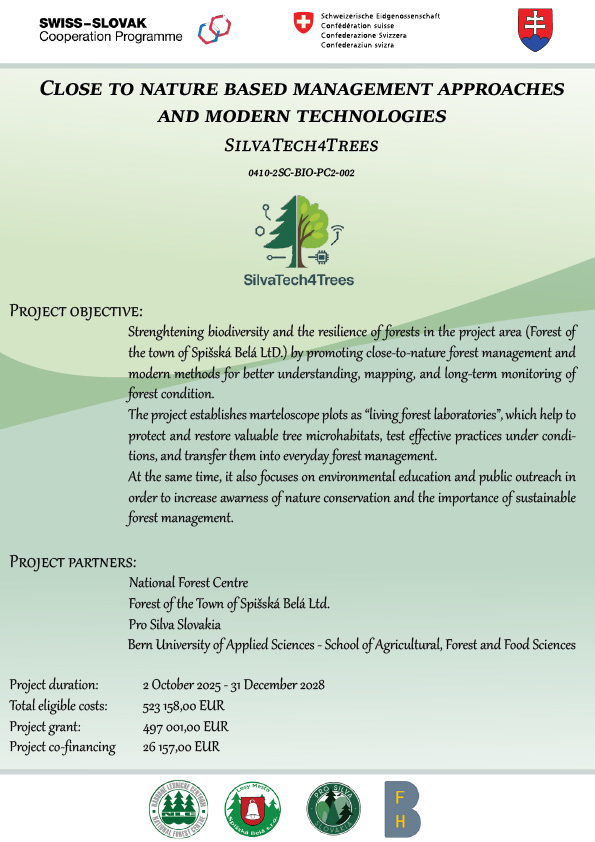
Flyer – English:

Project Partners Roll-ups:

Informations are updated regularly


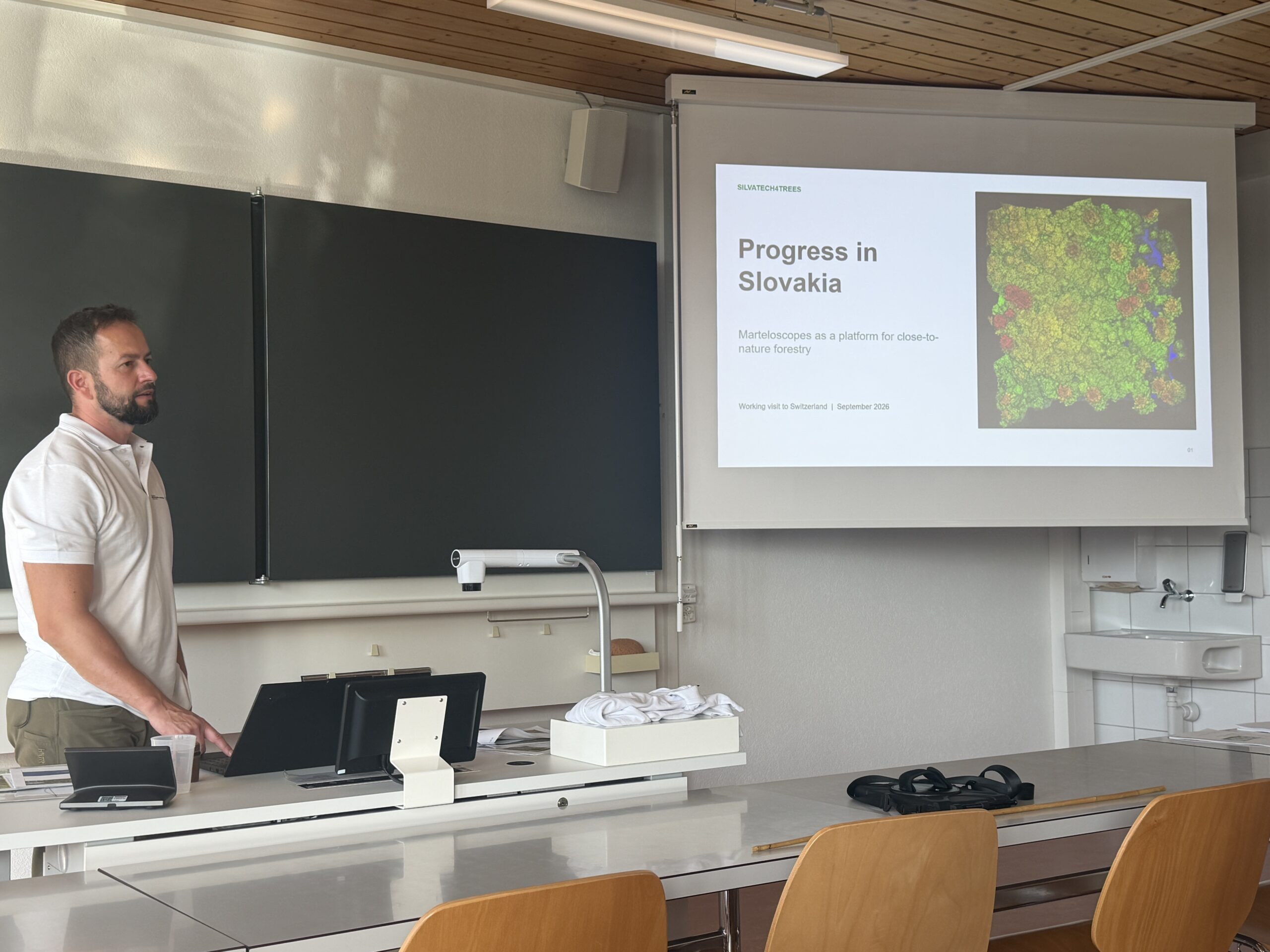
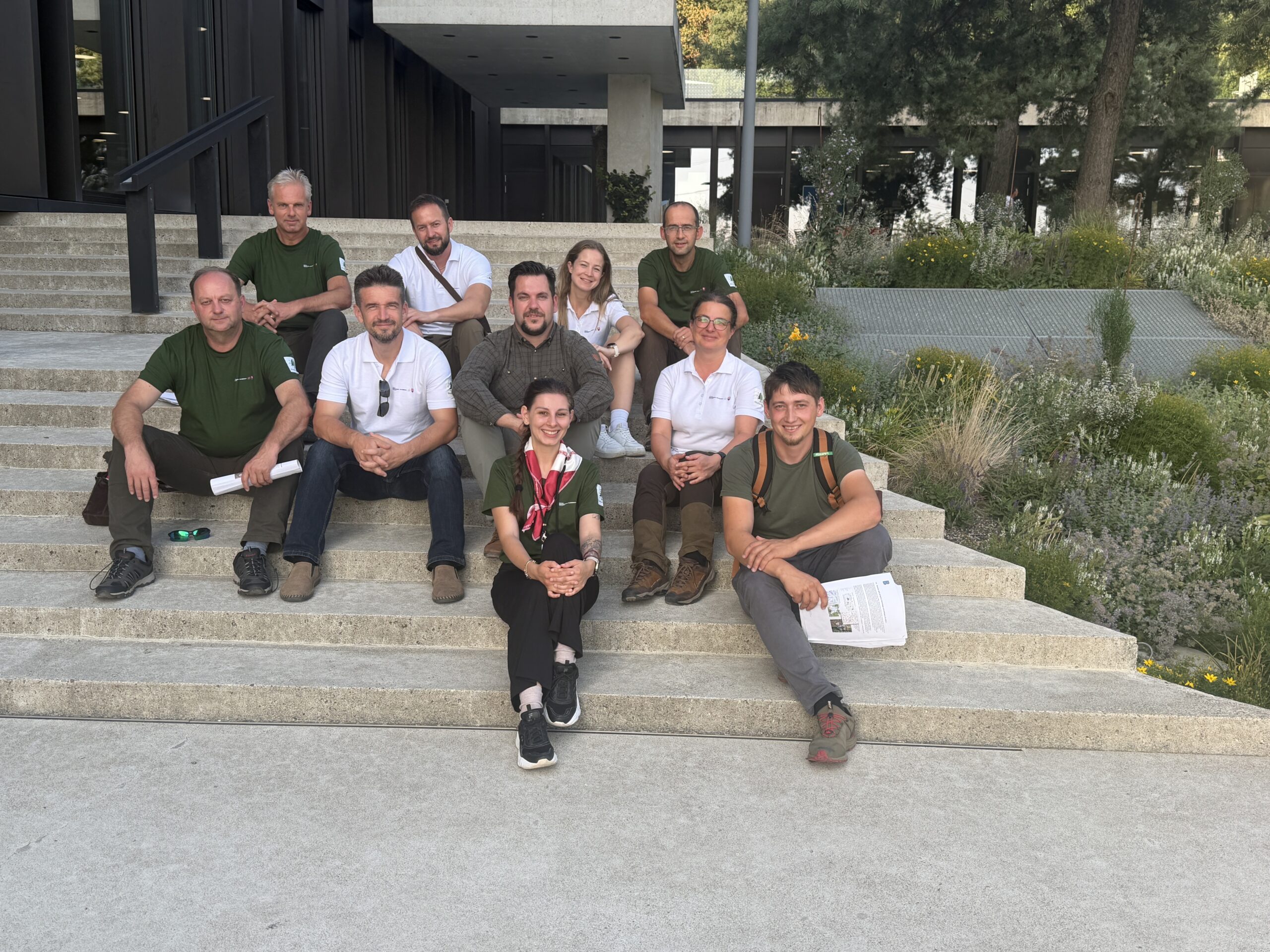
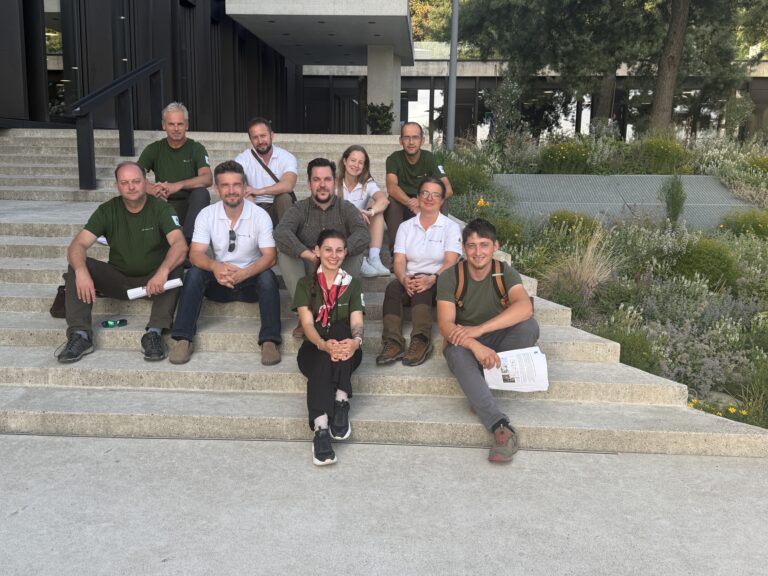
Gaining Experience in Close-to-Nature Forest Management in Switzerland

Date: 07/09/2026

Location: Bern, Švajčiarsko

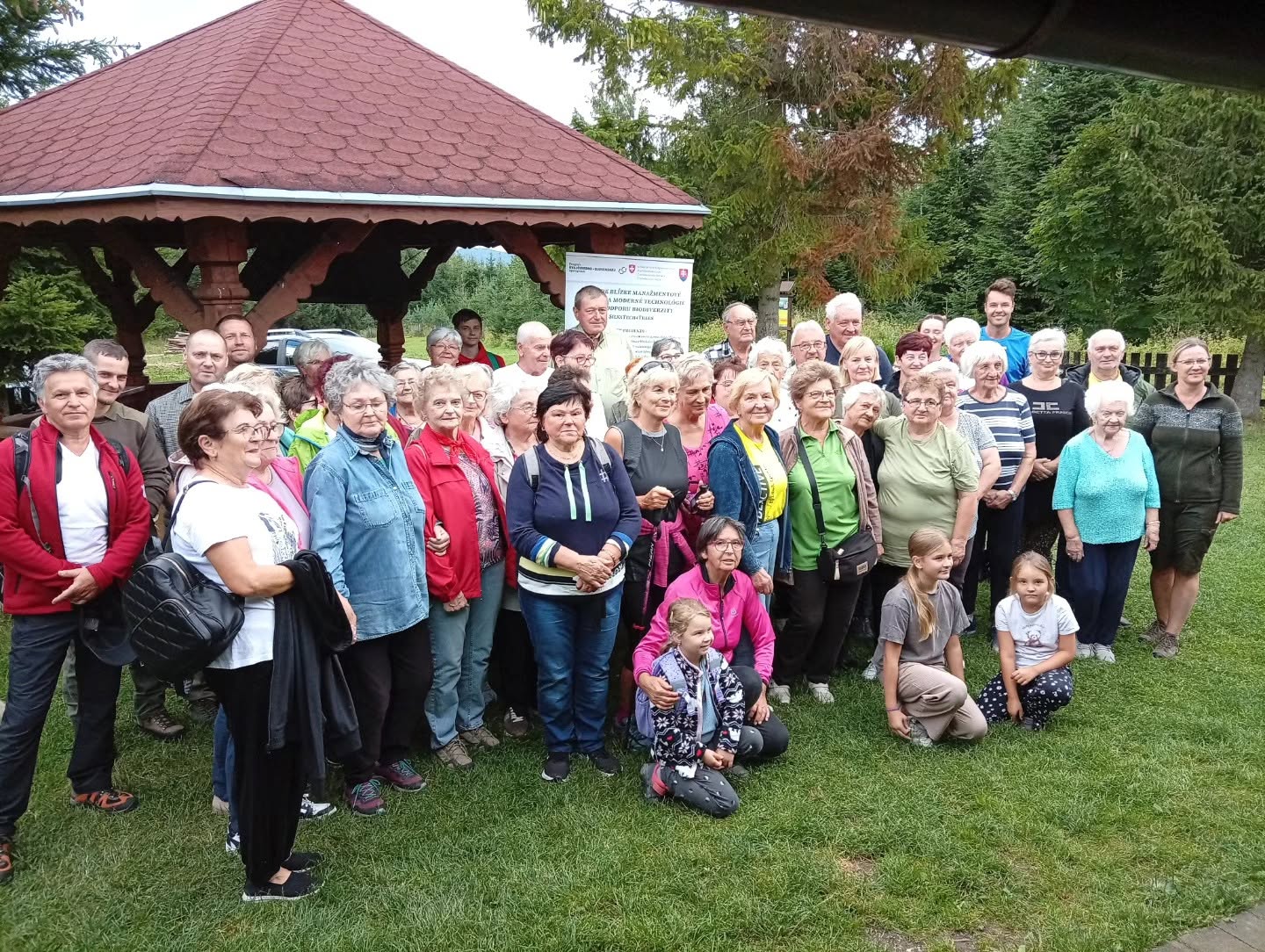
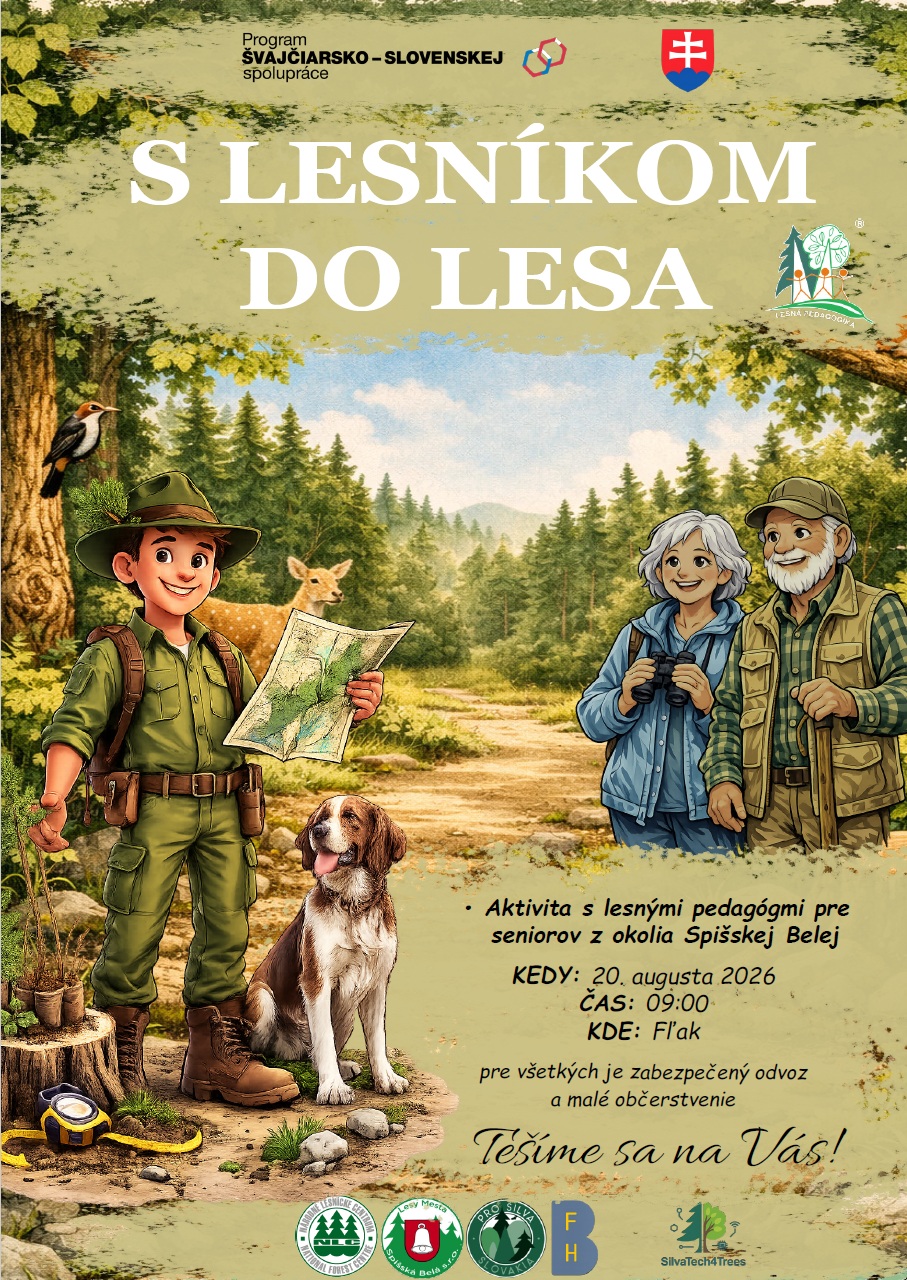
Into the Forest with a Forester III.

Date: 20/08/2026

Location: Lesy mesta Spišská Belá

Into the Forest with a Forester II.

Date: 12/06/2026

Location: Lesy mesta Spišská Belá

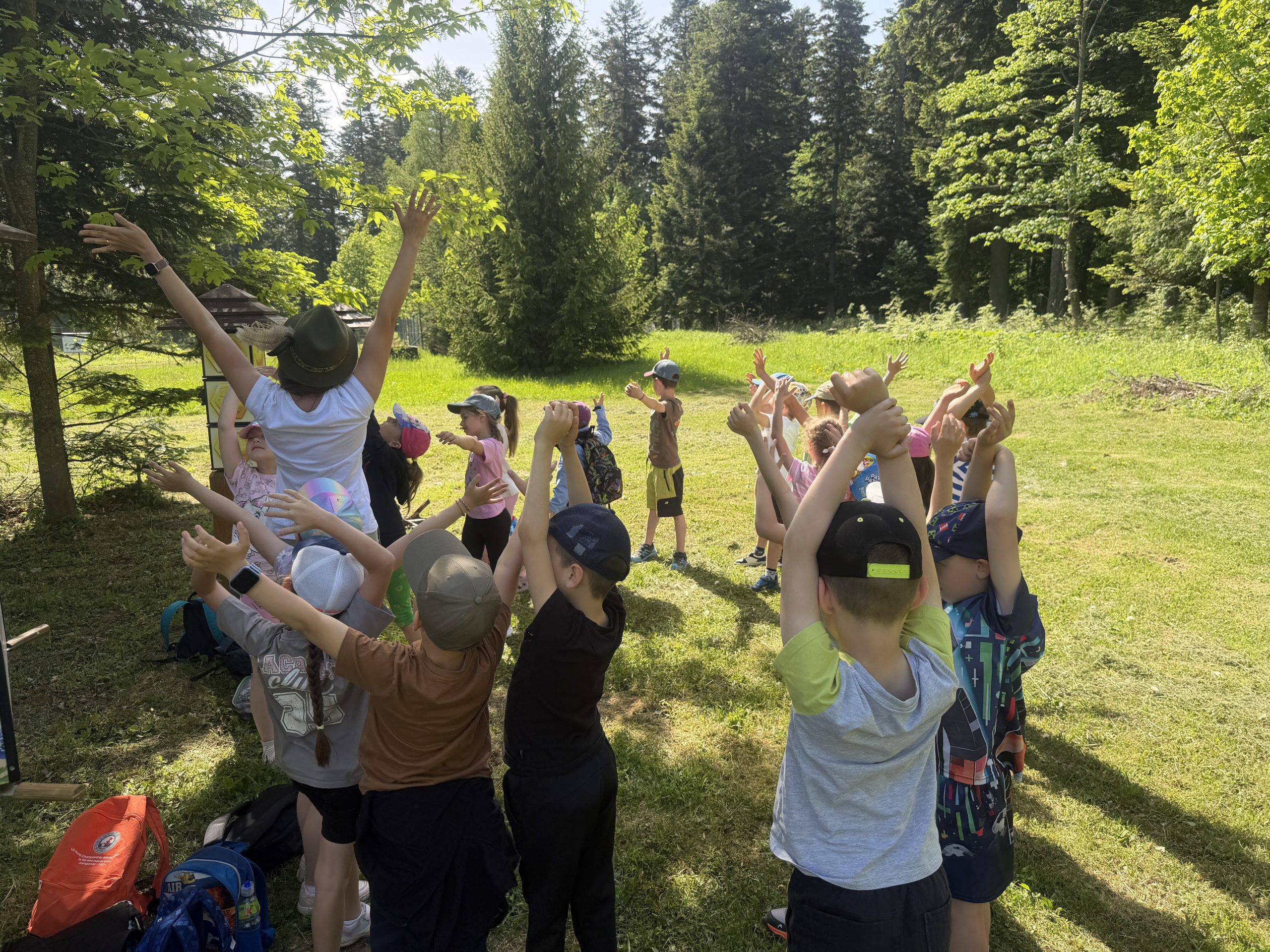
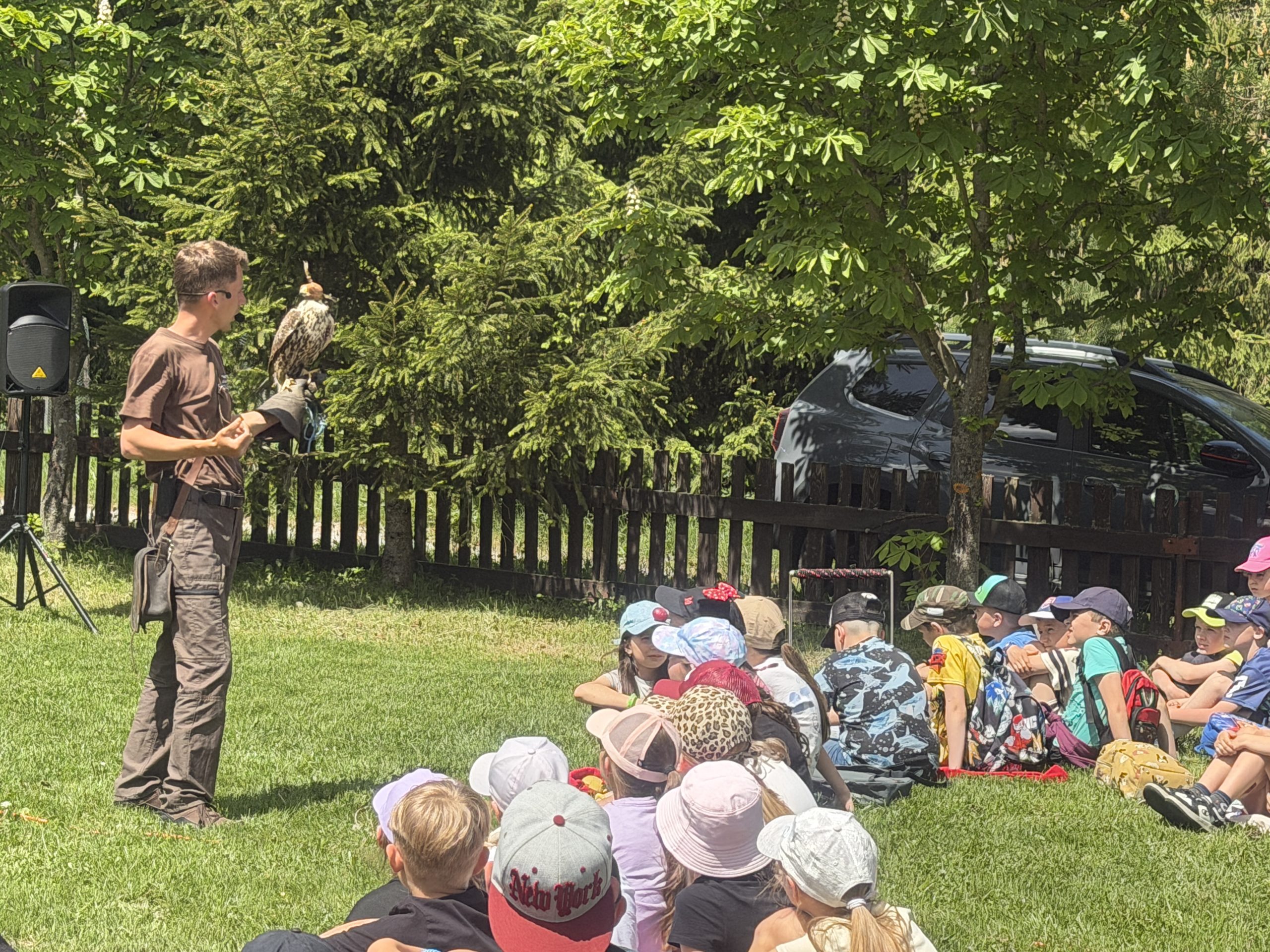
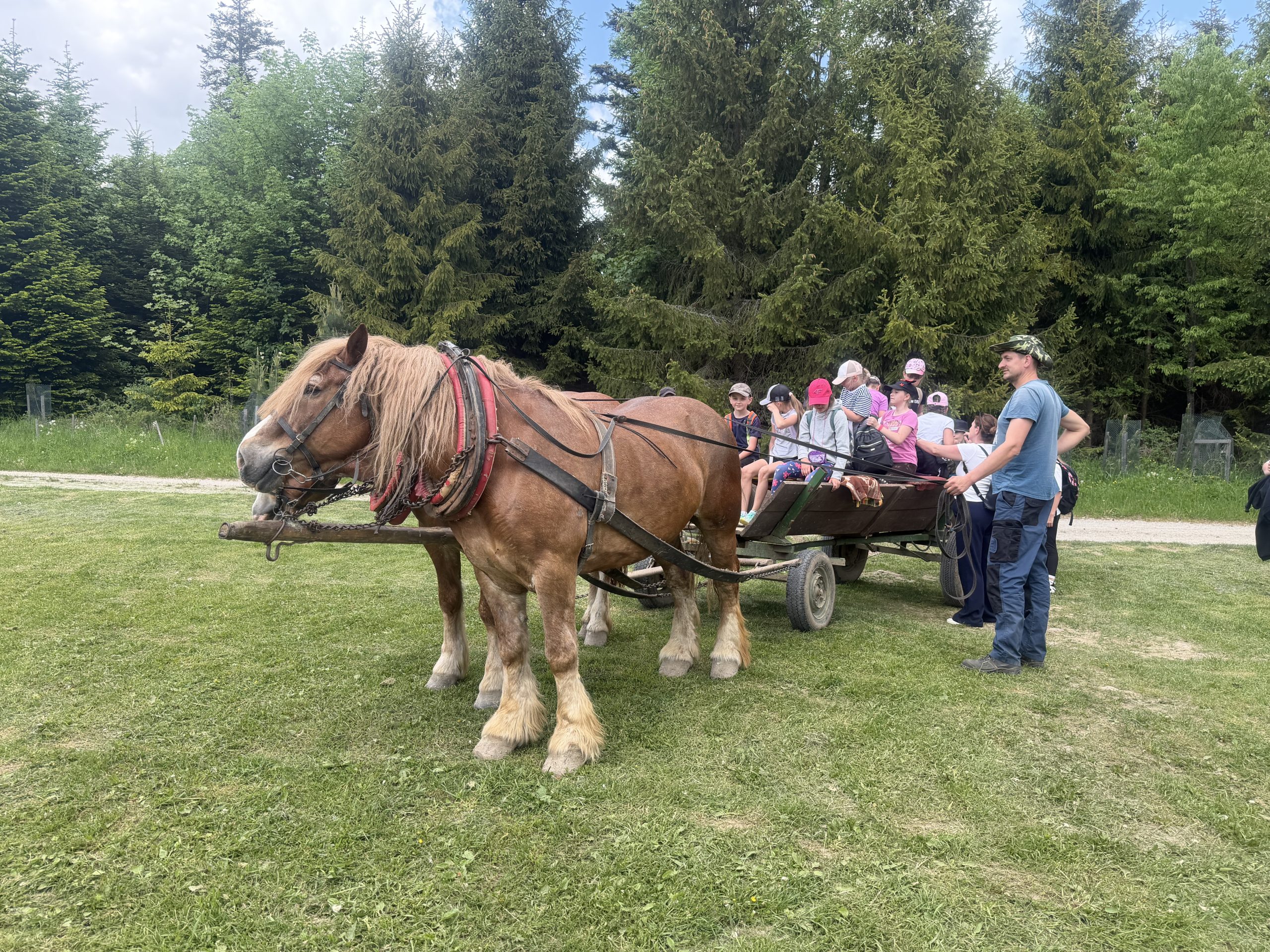
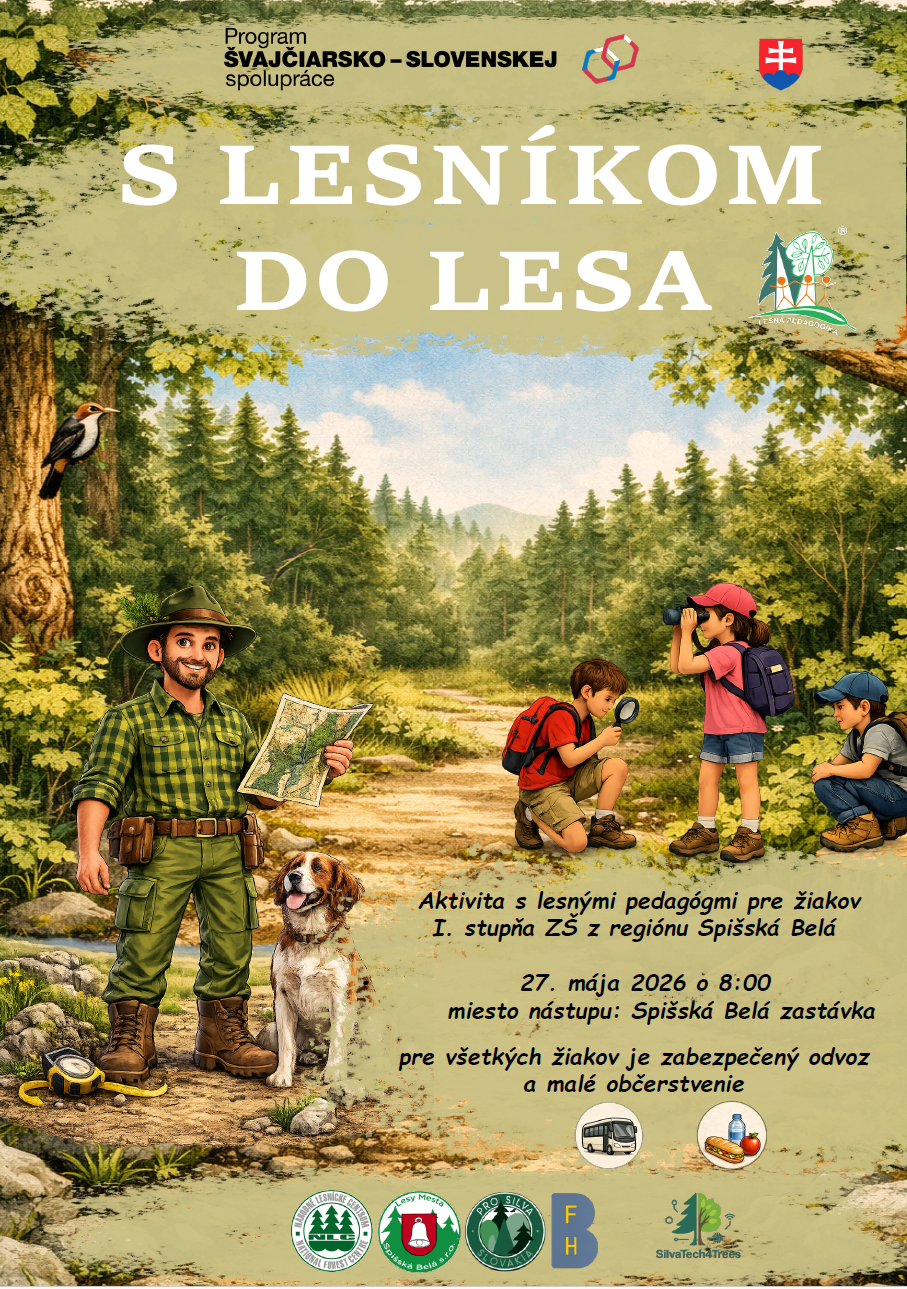
Into the Forest with a Forester

Date: 27/05/2026

Location: Lesy mesta Spišská Belá

National Forest Centre / LignoSilva – team coordination, seedling production, marteloscopes, RFID/ARBOTON, website, outputs, and education.

Spišská Belá Municipal Forests (Lesy Mesta Spišská Belá, s.r.o.) – underplanting, tending operations based on Pro Silva principles (PBHL), protection of trees against game damage, micro-habitat inventory network, installation of information panels.

Pro Silva Slovakia – workshop presentations, educational animations on Pro Silva principles, expert texts for materials, video consultations, organization of seminars and a study tour.

Bern University of Applied Sciences – expert consultations on establishing marteloscopes, workshop for instructors, excursion program, seminar presentations.

Ochrana lesov a prírody v Tatrách dostáva novú podporu

„V projekte sa podarilo prepojiť výskum, akademické prostredie, 3. sektor a miestnu samosprávu, s cieľom podporiť biodiverzitu prostredníctvom moderných technológií, prírode blízkeho hospodárenia v lesoch a environmentálneho vzdelávania.“ Peter Balogh, manažér projektovej kancelárie… čítaj ďalej

Lesy predstavujú jeden z najdôležitejších prírodných ekosystémov, ktoré zohrávajú významnú úlohu nielen pri produkcii dreva, ale aj pri ochrane prírody, zachovaní biologickej rozmanitosti a stabilite krajiny. V posledných rokoch, sa čoraz viac pozornosti venuje otázke biodiverzity… čítaj ďalej

Lokalita demonštračného objektu Fľak v Podtatranskej kotline (založený v r. 2010 na výmere 189 ha) je dôkazom, že správne rozhodnutia lesníkov dokážu pozitívne ovplyvniť budúcnosť lesa na celé generácie…. čítaj ďalej

Pracovníci Lesníckej fakulty TUZVO profesor Dušan Gömöry a docent Michal Bošeľa sa zúčastnili celoslovenského seminára Pro Silva 2026, organizovaného v rámci projektu zameraného na prírode blízke manažmentové prístupy a moderné technológie pre podporu biodiverzity… čítaj ďalej

V školskom roku 2025/2026 sa štyria žiaci 7. B triedy ZŠ J. M. Petzvala v Spišskej Belej zapojili do jedinečného vzdelávacieho projektu, kedy počas troch odborných workshopov mali možnosť spoznať les z pohľadu lesníkov, vedcov a lesných pedagógov a na vlastnej koži si vyskúšať metódy, ktoré sa využívajú pri výskume, monitorovaní a ochrane lesov.

Žiaci diskutovali o význame lesa pre kvalitu ovzdušia, zadržiavanie vody v krajine, zmierňovanie klimatických zmien a ochranu biodiverzity… čítaj ďalej